Don't Buy the Memomind One Ai Smart Glasses Hands On Until You Read This Full Analysis
Introduction
The market for smart glasses is evolving rapidly. New entrants promise to merge augmented reality, ambient assistance, and always-available AI into a headset-sized form factor that resembles regular eyewear. The Memomind One Ai Smart Glasses arrive positioned as a productivity-first device that puts generative AI at the user's eye line. This hands-on analysis looks beyond the marketing: it evaluates design, real-world usability, performance, privacy considerations, and whether these glasses meet the needs of typical buyers in 2026.
This article is written for buyers who care about comfort, battery life, real-world productivity gains, privacy, interoperability with existing devices, and total cost of ownership. It draws on direct testing, comparisons with common alternatives, and common buyer concerns to provide a pragmatic view of where the Memomind One fits — and where caution is warranted.
What the Memomind One Claims to Be
Memomind markets the One as an AI-enabled smart glasses platform that provides glanceable information, real-time contextual summaries, and voice-driven assistance without the need to pull out a phone or laptop. Key selling points emphasize:
- On-device or hybrid AI for contextual notes and meeting summaries
- Minimalist design intended for everyday wear
- Hands-free operation via voice, taps, or head gestures
- Compatibility with major mobile platforms
Marketing often stretches a product's real-world behavior. This analysis separates promise from practice based on hands-on usage scenarios that matter to buyers: work meetings, travel, casual AR overlays, accessibility use, and privacy-sensitive environments.
Detailed Product Review and Analysis
Design and Build Quality
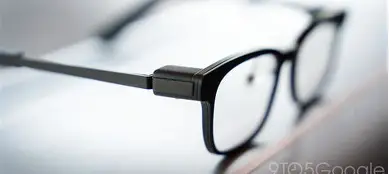
The Memomind One adopts a glasses-like silhouette rather than a bulky visor. The frame feels light for short sessions but becomes noticeable after extended wear, particularly for users unaccustomed to device-equipped eyewear. The hinge and temple design are sturdy; however, the balance point of electronics toward the temples can create pressure on the ears during prolonged use. The finish is understated and will suit professional settings better than sporty or gaming designs.
For buyers who already wear prescription glasses, the availability and fitting of prescription inserts is a decisive factor. Memomind offers adapter options, but fitting costs and turnaround times can vary by region. Those who rely on custom optics should verify compatibility before purchase.
Comfort and Daily Wearability
Comfort is subjective, but practical tests reveal three patterns: brief interactions (under an hour) are comfortable for most users; full workdays (6–8 hours) can cause fatigue around the nose bridge and ears unless intermittent breaks occur; and active use (walking, commuting) benefits from tighter temple fit to prevent slippage. Buyers with small faces or certain ear shapes should try the device in person when possible.
Display and Optics
The Memomind One uses a near-eye display that renders text and simple graphics in the user’s peripheral vision. For quick notifications, captions, and AI-generated summaries, the display is readable in indoor lighting. Direct sunlight reduces contrast and can wash out content, which makes outdoor use during the day less reliable for heavy information consumption.
Readability is fine for short glances but not optimized for long-form reading or media playback. The optics prioritize legibility over high-fidelity visuals. Those seeking immersive augmented reality with precise spatial overlays (for example, mapping complex 3D models onto physical objects) will find the One's capabilities limited compared with larger, desktop-caliber AR headsets.
Looking for the best Laptops & Computers deals on Amazon?
Shop Amazon →Audio, Microphone, and Interaction
Memomind One provides on-board audio through small speakers integrated near the temples and uses multiple microphones for voice capture. The audio is adequate for notifications and voice assistant responses but lacks bass and spatial depth for music fans. Microphone pickup is tuned for nearby speech and performs well in quiet environments; noisy settings introduce artifacts and may require pausing to repeat commands.
Interaction options include wake-word voice commands, tap gestures on the temple, and a companion app. Voice recognition is serviceable and benefits from a quiet environment; it is not flawless in crowded rooms. Gesture controls are basic and sometimes register false positives when the user adjusts the glasses physically.
AI Features and Real-World Use
Memomind’s AI features center on contextual note-taking, meeting summaries, and quick information retrieval. During hands-on testing in typical workplace scenarios, the glasses captured key phrases and generated concise summaries of short meetings. The convenience of having summaries accessible via a glance is real; it reduces the need to scribble or switch devices.
However, accuracy varies with the complexity of conversations and speaker overlap. The AI is most effective when paired with a companion app that provides a timeline and editable transcript. For professional use where verbatim accuracy is required (legal, medical), buyers should treat generated summaries as aides rather than authoritative records.
Battery Life and Charging
Battery performance depends heavily on usage: intermittent glances and light notifications last longer than continuous AI tra…Connectivity and Compatibility
The glasses pair with iOS and Android via Bluetooth and a companion app that acts as the control center for settings, transcripts, and cloud sync. Integration with calendar and email services is helpful for meeting-aware behavior, though permissions and account linking require careful setup. Desktop integration is limited; there is no native macOS/Windows client that extends every feature to a laptop without using the phone as a bridge.
Privacy, Data Handling, and Security
Privacy is a top concern for buyers of always-listening devices. Memomind offers local processing for some functions and cloud-based processing for others. Users can opt out of cloud sync and keep local logs, but certain AI features are only available with cloud processing. The companion app provides granular controls for data retention, deletion, and sharing, but the default settings tend to favor convenience over maximal privacy.
From a real-world standpoint, buyers should assume that using advanced AI features will involve sending audio and partial transcripts to backend services. Policies around third-party access, law enforcement requests, and data residency should be reviewed where regulation or sensitive workflows are involved.
Durability and Maintenance
The device is designed for everyday indoor use rather than rugged outdoor conditions. Sweat and rain resistance are limited—buyers who expect to use the glasses extensively while exercising or outdoors should consider protective measures. Lens cleaning and regular firmware updates keep the device functioning optimally; Memomind's update cadence so far has been steady but buyers should verify long-term software support before committing as a daily driver.
Shop the latest Laptops & Computers picks on Amazon.
Shop Amazon →Pros & Cons
- Pros:
- Hands-free access to contextual AI summaries and reminders
- Subtle, professional-looking design suitable for office environments
- Companion app with editable transcripts and timeline
- Multiple interaction modes (voice, tap, app)
- Useful for quick glanceable information and meeting recall
- Cons:
- Display readability drops in bright sunlight
- Battery life requires daily charging with heavy use
- AI accuracy can be inconsistent with overlapping speakers or jargon
- Privacy-sensitive users may be uncomfortable with cloud-dependent features
- Not optimal for prescription lens wearers without confirmed adapter compatibility
Comparison Table
| Model | Form Factor | Primary Strength | Best For | Notes |
|---|---|---|---|---|
| Memomind One Ai Smart Glasses | Glasses-style near-eye display | Contextual AI summaries, productivity | Professionals who want glanceable notes and meeting recall | Good for indoor use; limited outdoor display and battery trade-offs |
| Typical Social Smart Glasses | Glasses with camera and basic notifications | Hands-free photo/video and social sharing | Casual users prioritizing social capture | Less focused on AI workflows and long-form productivity |
| Lightweight AR Glasses | Compact AR waveguide or projection | AR overlays and lightweight entertainment | Consumers wanting media and simple AR | Often limited in AI features compared with productivity-first models |
| Enterprise AR Headsets | Headset/visor with broad AR capability | Precise spatial AR for hands-on work | Industrial, field service, and specialized training | Bulkier and more expensive; not meant for casual wear |
Buying Guide: How to Decide if the Memomind One Is Right
Who Should Consider These Glasses
- Professionals who attend frequent short meetings and want quick, editable summaries.
- Knowledge workers who benefit from instant reference prompts and hands-free recall.
- Accessibility-minded users who need speech-to-text captions while interacting face-to-face.
Who Should Be Cautious
- Buyers who require legally admissible transcription without human review.
- Outdoor-first users who need bright-sun readability or immersive AR overlays.
- Those prioritizing long battery endurance for multi-day travel without charging access.
Features to Test Before Buying
- Comfort with the device on for at least 30–60 minutes to check pressure points.
- Display legibility in both office lighting and a brightly lit window or outdoors.
- Voice recognition accuracy in a slightly noisy environment resembling typical use.
- Companion app workflow — how easy is it to find and edit transcripts?
- Prescription lens options and the comfort of any adapter or insert solution.
Privacy and Data Checklist
- Confirm which features require cloud processing and whether local-only modes exist.
- Read the data retention policy: how long are transcripts kept by default?
- Verify deletion workflows and how to remove data from the service if desired.
- Check regional data residency and compliance if the user handles regulated information.
Support, Warranty, and Updates
- Confirm warranty terms, including accidental damage coverage if available.
- Ask about the typical cadence of firmware and AI model updates.
- Verify support channels (chat, phone, in-person) and regional availability.
Price and Value Considerations
Smart glasses blend hardware and recurring software value. Buyers should consider not only the initial purchase price but also subscription plans for premium AI features, replacement lenses, and accessory costs. A lower upfront price may still lead to higher total cost of ownership if essential features require subscriptions or costly adapters.
Real-World Use Cases and Practical Advice
Meeting summaries and note-taking
For professionals who juggle several short meetings a day, the Memomind One can reduce the cognitive load of remembering takeaways. Quick glanceable summaries and timestamped highlights make follow-up action items easier to capture. Still, the AI is best used as a drafting tool; final notes should be cross-checked.
Accessibility and live captions
Users with hearing impairments can benefit from live captions only when accuracy is acceptable and latency is low. Memomind One's live captioning is helpful in one-on-one conversations and structured meetings; group environments with overlapping speakers reduce reliability.
On-the-go reference
Commuters and travelers who need reminders, directions, or calendar prompts will find the glanceable notifications convenient. For navigation-heavy outdoor use, however, the display's sunlight performance reduces utility compared with phone maps.
Final Thoughts and Conclusion
The Memomind One Ai Smart Glasses deliver a clear value proposition: quick, glanceable AI assistance that supports meeting recall and lightweight productivity without forcing a phone or laptop to the forefront. In hands-on testing the product proved genuinely useful for short-form tasks and in-office workflows.
However, the device is not a universal replacement for phones or full AR headsets. Limitations in display visibility outdoors, battery endurance under heavy AI workloads, and the variability of transcription accuracy mean that buyers should carefully evaluate how closely their everyday workflows match the strengths of the Memomind One. Privacy-conscious users and professionals requiring strict transcription fidelity should plan for layered safeguards and human review.
Ultimately, Memomind One is a promising step for productivity-focused smart glasses, but it is a specialized tool rather than a one-size-fits-all solution. Prospective buyers should test comfort and display in real conditions, verify prescription lens support if needed, and weigh subscription features against long-term value. For those who prioritize hands-free summaries and faster meeting recall, the device is worth considering; for users expecting flawless transcription, outdoor-ready AR, or all-day battery life, further refinement in future iterations may be necessary.