The Real Truth: Edifier Es60 or Goldring Gr3 Turntable?
In an era where vinyl enjoys a sustained renaissance, buyers face an expanding field of turntable options: from plug-and-play modern units with wireless features to classic, component-focused designs prized by hobbyists. Two names that come up in conversations—often from different corners of the market—are the Edifier Es60 and the Goldring Gr3 (as offered in various branded turntable packages). This article compares their practical performance, real-world suitability, and what buyers should prioritize when choosing between them.
Introduction
Choosing a turntable is rarely only about sound. Practical needs—how easy it is to set up, whether a phono preamp is built in, whether Bluetooth is wanted, and how upgradeable or serviceable the unit is—loom large. The Edifier Es60 and the Goldring Gr3 often appeal to different buyers: one tends to attract modern listeners seeking convenience and ease-of-use, while the other appeals to enthusiasts who value a traditional analogue approach and upgrade paths. This article breaks down each option’s strengths and weaknesses, compares them side-by-side, and offers a buying guide so readers can match features to real-world use cases.
At a Glance: Who Are These Products For?
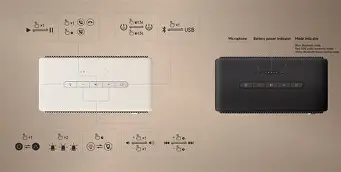
- Edifier Es60 — Typically aimed at listeners who want a straightforward, contemporary listening experience: plug-and-play, integration with modern systems, and features that simplify daily use (e.g., built-in phono stage, USB or Bluetooth connectivity).
- Goldring Gr3 (turntable configurations) — Generally favored by hobbyists and collectors who prioritize analogue craftsmanship, cartridge quality, and the potential to upgrade tonearms, platters, and cartridges over time. Often packaged with a focus on component fidelity rather than convenience features.
Detailed Product Analysis
Edifier Es60 — The Modern, User-Friendly Option
The Edifier Es60 is frequently presented to buyers as an accessible route into vinyl playback with contemporary conveniences. In use cases where listeners live in compact apartments, share space with other devices, or want the option to stream vinyl to wireless speakers, a turntable like the Es60 is attractive because it reduces friction: fewer additional components are required, and setup is generally straightforward.
Practical advantages experienced by users include fast initial setup, fewer cables to route through a living room, and consistent volume control when paired with powered speakers. For someone who wants to play records after dinner without scaffolding an entire hi-fi system, this kind of product shines.
Potential limitations arise for purists: built-in preamps and simplified tonearms can limit the degree to which the system reveals detail or supports high-end cartridges. Also, convenience features can sometimes come at the cost of long-term upgradeability—many modern integrated turntables are designed to be complete out of the box rather than modular.
Goldring Gr3 — The Traditionalist’s Path
Goldring’s name is longstanding in the analogue world, particularly for cartridges and phono cartridges. The Gr3 designation (seen historically in Goldring’s lineup) is associated with classic moving magnet designs and a sonic character that values clarity and musicality. When the Gr3 is presented as part of a turntable package, it typically emphasizes a more component-oriented approach: a robust tonearm, a replaceable cartridge, and mechanical build designed for stable, long-term playback.
Buyers who care about swapping cartridges, tweaking tracking force, or upgrading individual parts are well served by a Goldring-centered approach. In real-world listening, these setups reward patience: careful alignment, proper isolation, and investment in a quality phono stage yield improvements that are audible and enduring.
However, the Goldring route demands a little more from the owner. There’s usually setup time, sometimes external components (a dedicated phono preamp, isolation platform, or aftermarket platter), and an expectation of learning basic analogue maintenance like cartridge alignment and anti-skate adjustment.
Pros & Cons
Edifier Es60
- Pros
- Easy, quick setup—suitable for newcomers and casual listeners
- Modern connectivity options that fit modern living rooms (e.g., Bluetooth, line-level outputs)
- Often includes an internal phono stage, reducing the need for additional gear
- Compact, integrated design that pairs well with powered speakers
- Cons
- Limited upgradeability for serious audiophiles
- Built-in electronics may cap ultimate sound quality compared with dedicated external components
- Less tactile/repairable than modular, component-based turntables
Goldring Gr3 (Turntable-oriented configurations)
- Pros
- Analogue-focused design with potential for upgrades—cartridge swaps, better phono stages
- Sound character that rewards careful setup and matching with the rest of a system
- Often built to facilitate serviceability and longevity
- Cons
- Requires more knowledge or willingness to learn cartridge setup and alignment
- May need external components (phono preamp, amplifier, or powered speakers) to complete a system
- Not optimized for wireless convenience or minimal cable setups
Comparison Table
| Feature | Edifier Es60 | Goldring Gr3 (typical turntable setups) |
|---|---|---|
| Target user | Casual listeners, convenience-minded users, modern living rooms | Hobbyists, collectors, listeners who want upgrade paths |
| Setup | Plug-and-play; minimal calibration | Requires alignment and calibration for best results |
| Connectivity | Often includes line-level out and wireless options | Typically analog outputs; wireless not a focus |
| Upgradeability | Limited; integrated design | High; cartridge, phono stage, platter, and tonearm upgrades |
| Maintenance | Low; fewer parts to service | Moderate to high; requires routine checks and adjustments |
| Best use cases | Background listening, small spaces, wireless setups | Critical listening, archival playback, curated hi-fi systems |
| Learning curve | Shallow | Steeper—benefits from education or practice |
Real-World Use Cases
Small-Apartment Listener Who Values Simplicity
For someone in a compact living space who wants to play records without cabling an entire hi-fi stack, a modern integrated table is often the practical choice. The convenience of a built-in preamp and wireless or line-level outputs means the Es60-style approach lets users enjoy vinyl within minutes. This is ideal for people who primarily stream but want occasional analogue play, or who rotate records as part of a mixed media setup.
Looking for the best Audio & Headphones deals on Amazon?
View Offers →Home Audiophile With an Existing System
Buyers who already own an amplifier and speakers and who plan to invest in gradual improvements will usually prefer a component-friendly route. A Gr3-style cartridge and a modular turntable fit this model: a focused investment in cartridges, tonearms, and phono stages yields measurable returns. Listening in a dedicated or semi-dedicated room amplifies these benefits because the environment and gear complement each other.
Collector or Archivist
Those playing older or fragile pressings often value mechanical stability, gentle tracking, and the ability to precisely set tracking force and anti-skate—areas where a Goldring-style analogue approach has advantages. When restoration or archival playback is the goal, the flexibility to swap cartridges and tune the setup is essential.
Buying Guide: What to Consider Before Choosing
To make a choice that fits actual needs, consider the following factors—combined they help translate marketing claims into everyday value.
1. Listening Priorities
Ask: Is the goal convenience or fidelity? If vinyl is secondary to other sources, prioritize ease-of-use and i…2. System Integration
Ask: What existing components will the turntable join? If the home already has an amp with a phono input or a separate phono preamp, a modular turntable with an upgrade-friendly cartridge will fit better. If the home system lacks these, an integrated turntable with a reliable built-in preamp can reduce cost and complexity.
3. Space and Isolation
Turntables are sensitive to vibrations. In a busy living room or apartment near trains or a kitchen, a simpler integrated unit with a stable chassis can reduce setup headaches. For dedicated listening rooms, a component approach paired with isolation platforms and stands will maximize sound quality.
4. Upgrade Path
If future upgrades are important—better cartridge, improved platter, high-end tonearm—choose a turntable that supports those changes. Integrated consumer models can be delightful, but their chassis, tonearm, and mounting hardware may limit what can be changed later.
5. Service and Parts Availability
Consider the longevity and repairability of a purchase. Brands known for replacement cartridges, serviceable tonearms, and available spare parts are easier to maintain over time. If longevity matters, prioritize designs with standard mountings and replaceable components.
Find top-rated Audio & Headphones products at great prices.
See Deals →6. Budget Allocation
Vinyl playback is incremental: a modest increase in cartridge or phono stage often outperforms equivalent spending on a more expensive integrated table. For buyers on a budget, it can make sense to start with a competent, simple turntable now and allocate funds for a better phono stage or cartridge later.
7. Feature Wishlist
Make a list of must-haves: Bluetooth? USB ripping? Speed change between 33/45/78? Automatic vs manual operation? Match the product’s strength to these priorities rather than being swayed by looks or branding alone.
Practical Tips for Each Type of Buyer
- For the convenience seeker: Prioritize stable preamp performance and reliable speed stability. Test the table with a range of records to ensure it maintains pitch and does not add unwanted noise.
- For the upgrade-minded audiophile: Verify standard cartridge mount compatibility (e.g., half-inch mount), check tonearm tracking geometry, and confirm availability of aftermarket platters or stands.
- For renters or apartment dwellers: Look for robust dust covers and a compact footprint; consider the tradeoff between isolation needs and apartment noise.
- For collectors: Ensure the system allows fine control of tracking force and anti-skate and that replacement stylus or cartridges remain available.
Common Buyer Questions Addressed
“Can an integrated, convenience-first turntable ever sound as good as a component system?”
Short answer: sometimes, for casual listening and-room sizes where doubling down on acoustics and system matching isn’t the priority. For critical listening, a well-matched component system with a high-quality cartridge and phono stage generally offers more detail and flexibility. The perceived gap also depends on the rest of the system—speakers or headphones can bottleneck improvement.
“How much knowledge do I need to own a component-based turntable?”
Basic competence—understanding tracking force, cartridge alignment, and cleaning routines—will go a long way. Many resources and local dealers can help with initial setup. Once the learning curve is crossed, maintenance becomes routine rather than intimidating.
Conclusion
Ultimately, the decision between a modern, integrated table like the Edifier Es60 and a more traditional, upgrade-minded path centered around components such as the Goldring Gr3 setup hinges on lifestyle and priorities. If convenience, minimal setup, and modern connectivity are paramount, a contemporary integrated turntable fits daily life well. If the priority is analogue fidelity, upgrade potential, and the satisfaction of refining a system over time, a Goldring-oriented configuration rewards investment and effort.
Buyers do best by defining a clear set of use-case requirements—where the unit will live, how often it will be used, whether upgrades are expected, and how much time the owner wants to spend on setup and maintenance—and then matching the product to those requirements. Both approaches deliver the magic of vinyl; they simply do it in different ways. The “real truth” is that there is no universally superior choice—only the right one for each listener’s priorities and listening habits.