Which is Better Value? Q8C Q8 Qled 2017 vs Switch 2 Compared
The market for televisions spans a wide range of prices and priorities: cutting-edge picture fidelity and premium design at one end, and everyday practicality and affordability at the other. This article compares two distinctly positioned products — the Q8C / Q8 QLED from 2017 and the Switch 2 — to help buyers decide which delivers better value for their needs. The Q8C/Q8 line represents Samsung’s higher-end 2017 QLED offering, known for strong color volume and bright HDR performance; the Switch 2 is positioned as a value-conscious modern smart TV that emphasizes sensible features at a lower price point.
Introduction: Who should read this
This comparison is aimed at readers who are deciding between investing in an older premium panel with a proven pedigree (the Q8-series QLED) and choosing a newer, budget-oriented set that promises good everyday performance (the Switch 2). Typical buyers weighing these options include:
- Movie and HDR enthusiasts who want color accuracy and brightness for living-room viewing.
- Sports and fast-action viewers who need smooth motion and wide viewing angles in a group setting.
- Gamers balancing input lag and variable refresh features against price.
- Budget-minded households who prioritize smart features and sensible picture quality for streaming and cable TV.
Product overviews
Q8C / Q8 QLED (2017)
The Q8C / Q8 series was part of Samsung’s early QLED rollout. Those sets rely on quantum-dot-enhanced LCD panels to increase color volume and improve peak brightness — two areas where traditional LCDs historically struggled. In 2017, the Q8-series was pitched toward buyers who wanted a premium image without stepping fully into OLED; features included rich color reproduction, high peak luminance for HDR highlights, and Samsung’s Tizen smart platform with a broad ecosystem of apps and streaming services.
One important practical point: these units are older models. That means firmware support and streaming app compatibility might be less current than on brand-new sets, and panel performance can vary depending on how a set has been used and maintained over time.
Switch 2
The Switch 2 represents the modern value-oriented option in this comparison. It targets buyers who want a sensible smart TV experience at a lower cost, with an emphasis on simple setup, built-in streaming apps, and a balanced picture tuned for everyday content. The Switch 2 typically trades the extreme peak brightness and extensive local-dimming hardware of premium QLED sets for a more economical panel and processing package, but it often improves on contemporary smart features, codec support, and connectivity for modern devices.
Because “Switch 2” is a category-style model name in this comparison, actual specifications vary between manufacturers and regions. The analysis below focuses on the practical differences buyers will notice rather than precise spec-sheet numbers.
Detailed analysis — how they perform in real-world use cases
Picture quality and color
Q8C/Q8: The QLED quantum-dot layer gives the Q8-series a visible advantage in color saturation and volume, especially at higher brightness levels. For HDR movie content or highly saturated scenes, this translates to punchier highlights and more lifelike color at practical viewing distances. The Q8 series was tuned for strong HDR highlights, which helps make specular reflections and bright effects stand out in a dim or moderately lit room.
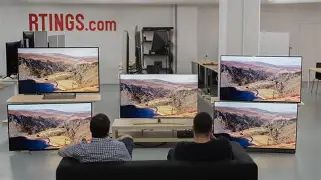
Switch 2: The Switch 2 tends to deliver reliable color for everyday TV and streaming, but it rarely matches the color volume of a QLED when it comes to intense HDR highlights. In SDR content and casual streaming, viewers will often be satisfied. For buyers whose priority is vibrant, high-impact HDR cinema, the Switch 2 will feel like a compromise; for those focused on news, sitcoms, and general streaming, it will be perfectly acceptable.
Brightness and HDR
Q8C/Q8: These sets were designed with higher peak brightness in mind. In bright living rooms or when watching HDR content with bright highlights, the Q8-series tends to maintain detail and impact better than economy-level panels. That makes it a good pick for rooms with ambient light or for viewers who want HDR to noticeably improve highlight detail.
Switch 2: The Switch 2 generally provides moderate to good SDR brightness and usable HDR tone mapping, but it will not reach the same peak luminance as a high-end QLED. In darker rooms where deep black levels matter, the Switch 2’s local dimming (if present) and native panel contrast determine perceived quality more than theoretical peak brightness.
Contrast, black levels and viewing angles
Q8C/Q8: Many Q8 models used VA-type LCDs providing deeper native contrast and better black levels than IPS-type panels. For movie-watching in dim rooms, this yields a more cinematic picture. Viewing angles on VA panels are narrower, however, so the Q8-series performs best when viewers sit centrally or in a moderately narrow seating arrangement.
Shop the latest TVs & Home Theater picks on Amazon.
View Offers →Switch 2: Switch 2 panels vary; some use VA-type panels for contrast while others use IPS for wider viewing angles. In group viewing situations where many people watch from off-center seats (like a family room with wide seating), an IPS-based Switch 2 could offer more consistent color across the room at the cost of slightly shallower blacks.
Motion handling and sports
Q8C/Q8: The premium processing of the Q8-series typically handled motion well for action and sports, reducing blur and maintaining clarity on camera pans. This matters for viewers who watch live sports or action-heavy films where motion clarity determines perceived image quality.
Switch 2: The Switch 2 will generally handle everyday sports and live TV well but may not match the refined motion interpolation or higher refresh capabilities of a premium TV. For casual sports viewers, the difference is often acceptable; competitive gamers or sports purists may notice a gap.
Gaming and input lag
Q8C/Q8: Even older QLEDs were marketed with low input-lag modes and reasonable response for console gaming. They are still solid choices for console players who want big-screen cinematic experiences, though they lack the latest variable refresh or ultra-low-latency features found in current high-end gaming TVs.
Switch 2: Many modern value TVs optimize for gaming with low-latency game modes and useful HDMI inputs. If gaming is a primary concern, the Switch 2 may deliver…
Smart platform, apps and updates
Q8C/Q8: Samsung’s Tizen platform of that era offered a broad app selection and a mature UX. Over time, however, older sets can lose access to updated codecs and occasionally to the latest app versions if the manufacturer drops support. Buyers should verify app availability and firmware update status when considering an older Q8 set.
Switch 2: As a more modern budget option, the Switch 2 often ships with an up-to-date smart system and current streaming codec support. The advantage here is ongoing compatibility with newer streaming standards and easier setup for modern home networks and voice assistants.
Design, build and connectivity
Q8C/Q8: The Q8 line featured premium materials and a refined aesthetic typical of Samsung’s higher-end models in 2017. Inputs are plentiful and include multiple HDMI ports, but potential buyers should check for HDMI 2.1 features if they need the very latest gaming or AV bandwidth capabilities.
Switch 2: The Switch 2 focuses on functional design with a slim profile and user-friendly inputs. Newer Switch 2 models may offer better wireless performance, USB media support, and modern Bluetooth implementations compared with older Q8 units, but build quality and premium finishes are generally less elaborate.
Comparison table
| Attribute | Q8C / Q8 QLED (2017) | Switch 2 |
|---|---|---|
| Panel technology | Quantum-dot-enhanced LCD (QLED), VA-type tendencies | LED/LCD (varies by SKU; VA or IPS) |
| Color & HDR | Very strong color volume and bright HDR highlights | Good color for SDR; competent HDR but lower peak brightness |
| Contrast & black levels | Deep blacks (VA panel advantages) | Varies; some SKUs offer deep blacks, others prioritize viewing angle |
| Motion handling | Refined motion processing for sports/action | Solid everyday performance; may show more blur in fast pans |
| Gaming | Low input lag for consoles (older hardware) | Typically has modern low-latency modes and current HDMI support |
| Smart platform | Samsung Tizen (mature but may be older/less updated) | Modern smart OS with current codec/app support |
| Design & build | Premium build and finishes | Functional, slim, lower-cost materials |
| Price/value positioning | Premium (on resale or used market, price depends on condition) | Value-focused; better new-for-money in budget segment |
Pros & Cons
Q8C / Q8 QLED (2017)
- Pros:
- Excellent color volume and vivid HDR highlights for cinematic content.
- Deep native contrast and strong black level performance for dark-room viewing.
- Premium build and refined industrial design.
- Mature smart platform with a wide range of apps (at time of manufacture).
- Cons:
- Older hardware and firmware; app support and updates may be limited today.
- Potentially narrower viewing angles (VA panel behavior).
- May cost more on the used market depending on demand and condition.
- Lacks some modern gaming features (full HDMI 2.1, VRR) found in contemporary TVs.
Switch 2
- Pros:
- Good overall picture quality for everyday viewing at a lower price point.
- Likely better out-of-the-box smart app and codec support for new streaming formats.
- Lower input lag and modern gaming-friendly modes on many SKUs.
- Better value when buying new — current warranty and manufacturer support.
- Cons:
- Less impressive HDR peak brightness and smaller color volume compared with premium QLED panels.
- Build materials and finish are typically less premium.
- Some SKU variations mean quality can vary between specific models.
Buying guide — what to consider and when to choose which TV
1. Primary viewing environment
Consider room brightness. For bright living rooms with lots of windows, the Q8-series’ higher peak brightness gives it an advantage for maintaining HDR impact and contrast. In dim, dedicated home-theater rooms, the Q8 also performs strongly due to better black levels. For bedrooms, kitchens, or secondary screens where budget and smart features outweigh peak luminance, the Switch 2 is a sensible choice.
Shop the latest TVs & Home Theater picks on Amazon.
Shop Amazon →
2. Content type and viewing habits
If most viewing consists of HDR movies, cinematic streaming, and visually rich content, the Q8 will deliver a more striking image. For mixed use — streaming sitcoms, news, sports, and family gaming — the Switch 2 often provides the best day-to-day value.
3. Gaming needs
Competitive gamers should check input lag and whether variable refresh features are required. The Switch 2’s modern firmware may offer better support for current game consoles and low-latency modes. Console gamers who prioritize cinematic visuals on a large screen will find the Q8 attractive, but should verify HDMI and refresh feature needs.
4. Longevity and software support
Newer sets typically receive OS updates and app compatibility for longer. If buying an older Q8 unit, verify recent firmware updates and app availability to avoid unpleasant surprises. A new Switch 2 generally includes warranty coverage and up-to-date streaming code support.
5. Viewing angle and seating
For wide seating arrangements where viewers frequently sit off-center, prefer an IPS-based panel or a TV known for stable off-axis color. If seating is central and contrast matters, a VA-panel Q8 will be more satisfying.
6. Budget and total cost of ownership
Compare what is being given up for the price: an older Q8 may be found used at a price similar to a new Switch 2; factor in warranty, expected remaining lifespan, and whether smart platform updates will be available. Often, buying new with a modern budget set offers greater peace of mind and longer-term compatibility for streaming and devices.
7. Practical checks before purchase
- Verify the physical condition and backlight uniformity if buying a used Q8 unit.
- Check the smart platform’s app list and confirm required streaming services are available.
- Test for input lag and motion clarity in-store if gaming or sports are priorities.
- Confirm port set and HDMI version if using modern consoles or sound systems.
Conclusion
Value depends on buyer priorities. The Q8C / Q8 QLED from 2017 offers real strengths in color volume, HDR highlights, and contrast, making it a strong choice for cinephiles and those who prioritize picture performance in a bright or moderately lit living room. However, being an older model, it carries the uncertainties of used hardware and diminishing software updates.
The Switch 2, by contrast, delivers contemporary smart features, dependable everyday picture quality, and modern connectivity at a lower cost — making it the better-value option for many households focused on streaming, casual gaming, and hassle-free ownership. For buyers seeking the best new-for-money package and ongoing support, the Switch 2 will frequently offer more practical value. For buyers willing to trade up for superior HDR punch and deeper blacks — and who verify software compatibility before purchase — the Q8 remains a compelling pick.
Ultimately, the right choice comes down to whether priority is placed on sustained, cinematic picture quality (Q8-series) or on up-to-date features, warranty coverage, and budget-friendliness (Switch 2). Evaluating real-world use — room light, typical content, seating arrangement, and whether the TV will be used for competitive gaming — will point buyers to the option that delivers the best value for their specific needs.